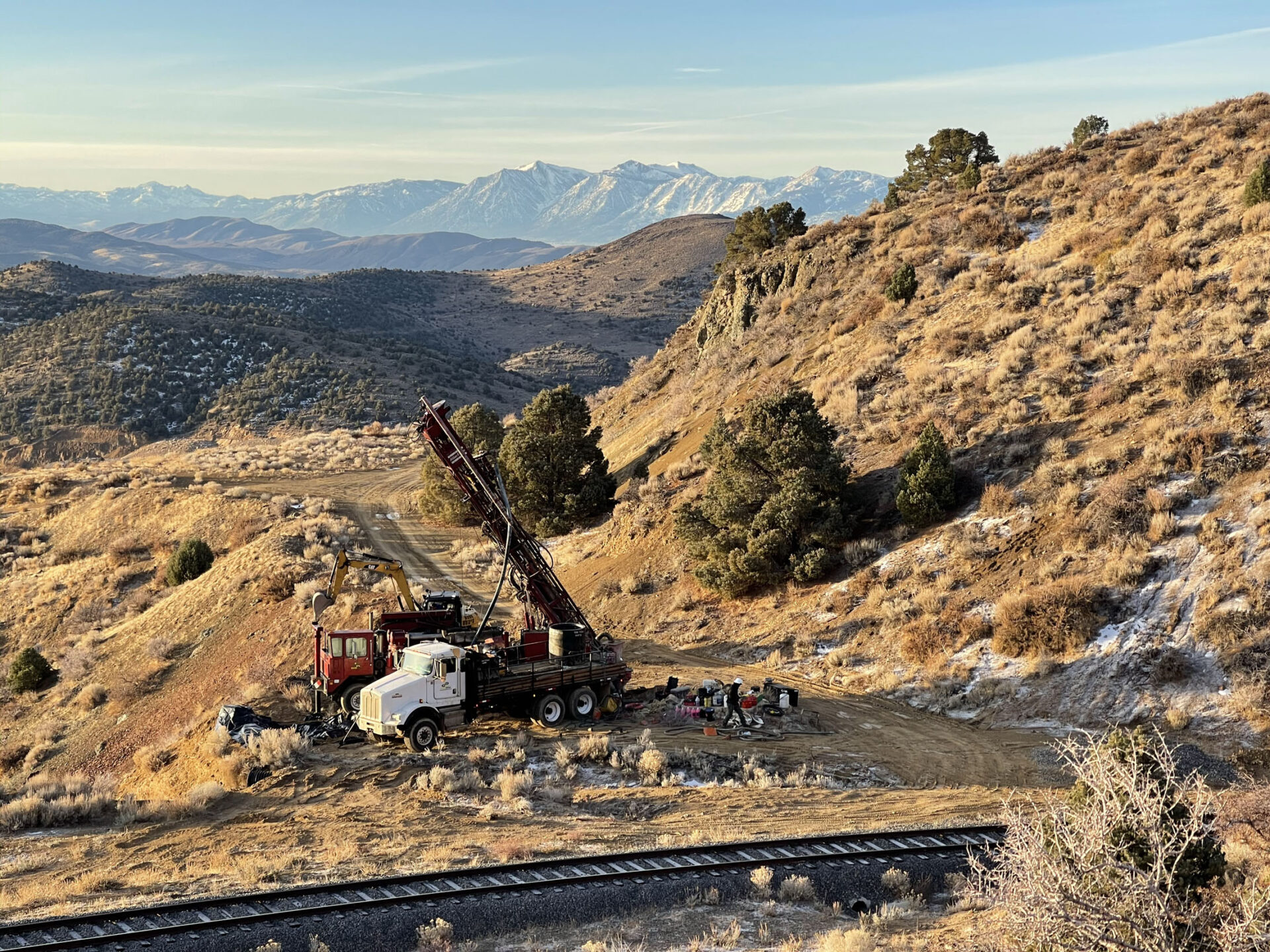
Location
Nevada
Ownership
100%
Project Stage
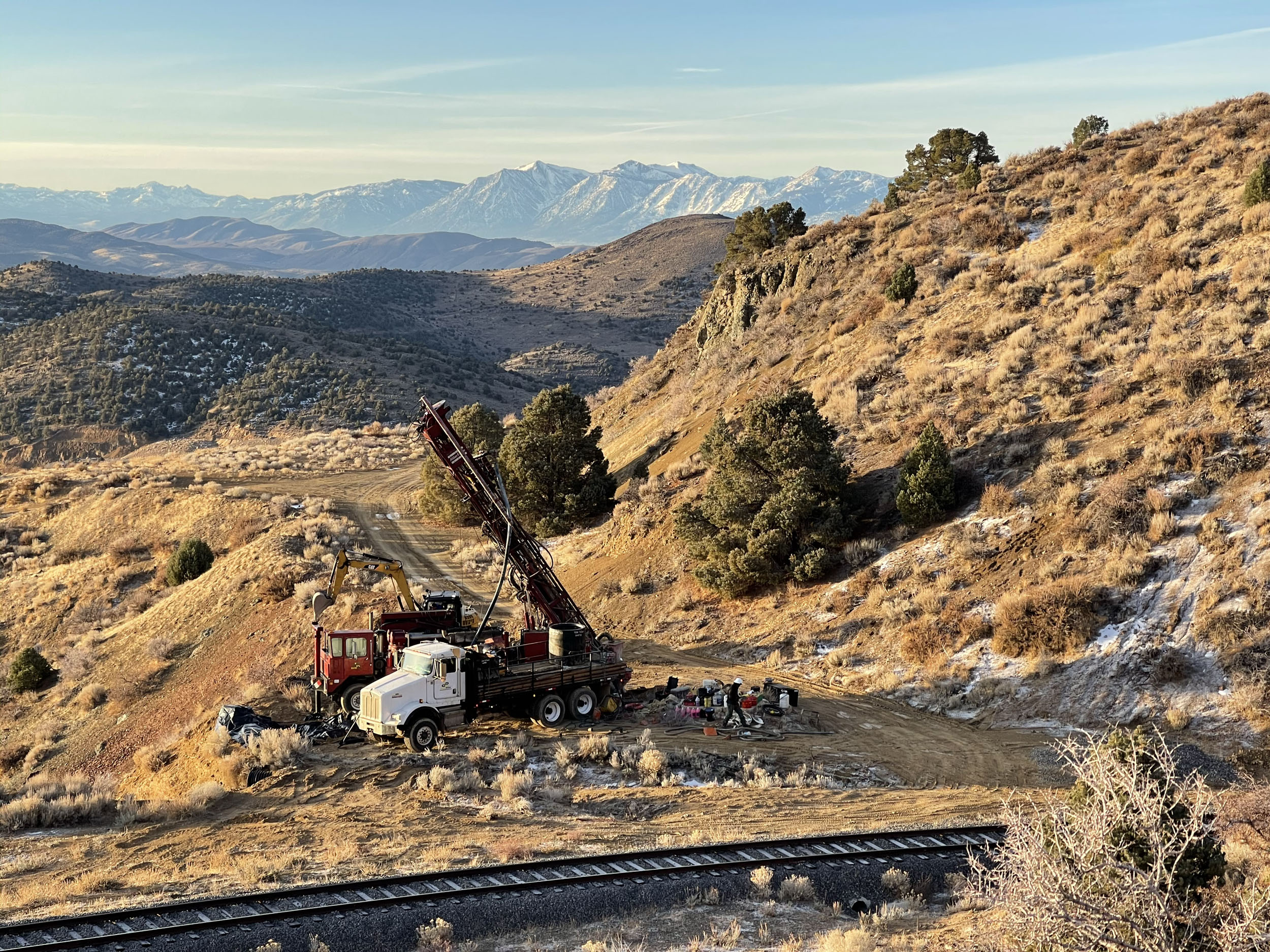
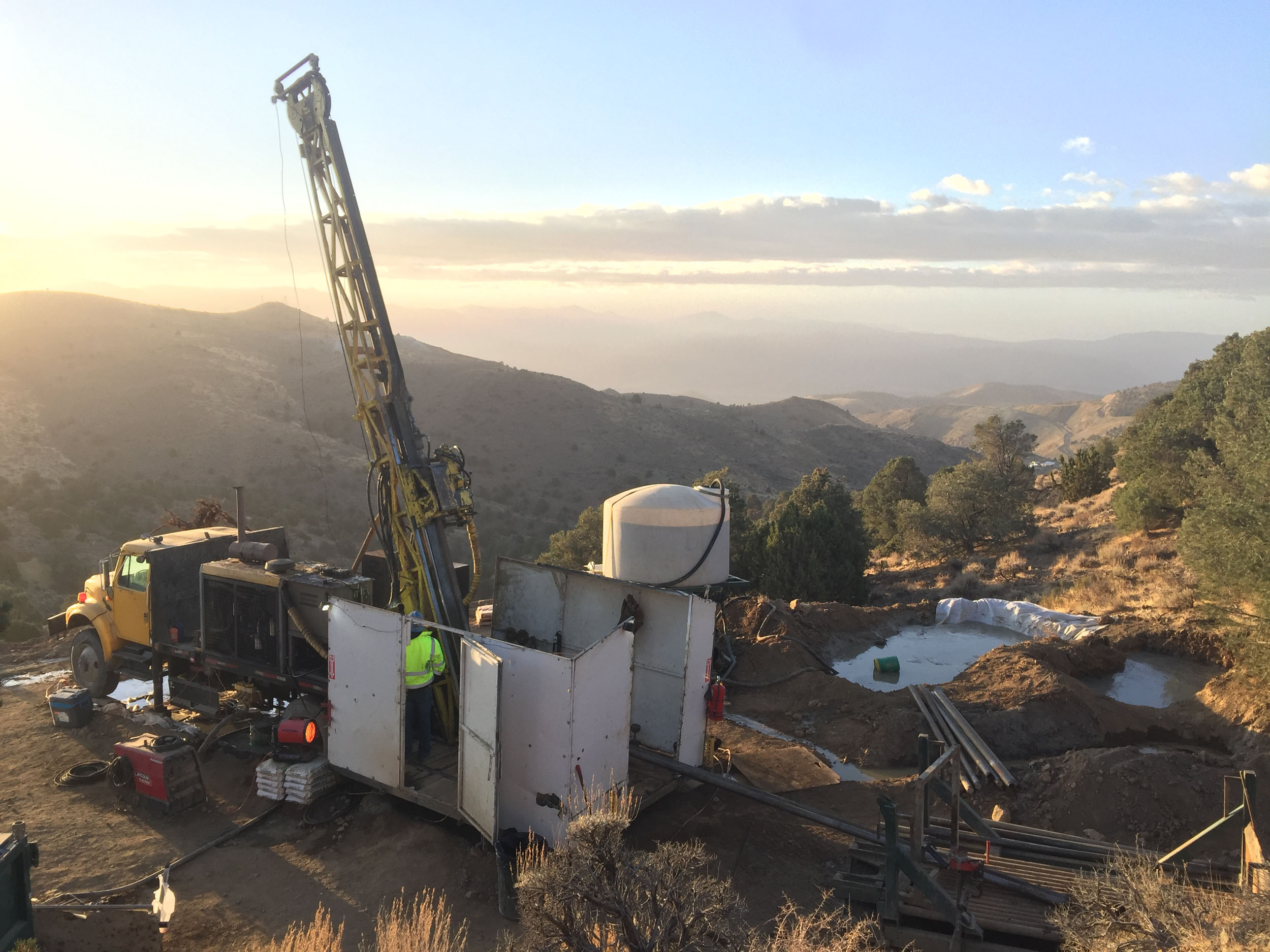
Brownfields Discovery and Re-Exploration
Metals
Gold & Silver
Property Size
[~4,275 acre] (100% control)
Deposit Type
Epithermal vein district
At vero eos et accusamus et iusto odio dignissimos ducimus qui blanditiis praesentium voluptatum deleniti atque corrupti quos dolores et quas molestias excepturi sint occaecati cupiditate non provident, similique sunt in culpa qui officia deserunt mollitia animi, id est laborum et dolorum fuga. Et harum quidem rerum facilis est et expedita distinctio. Nam libero tempore, cum soluta nobis est eligendi optio cumque nihil impedit quo minus id quod maxime placeat facere possimus.
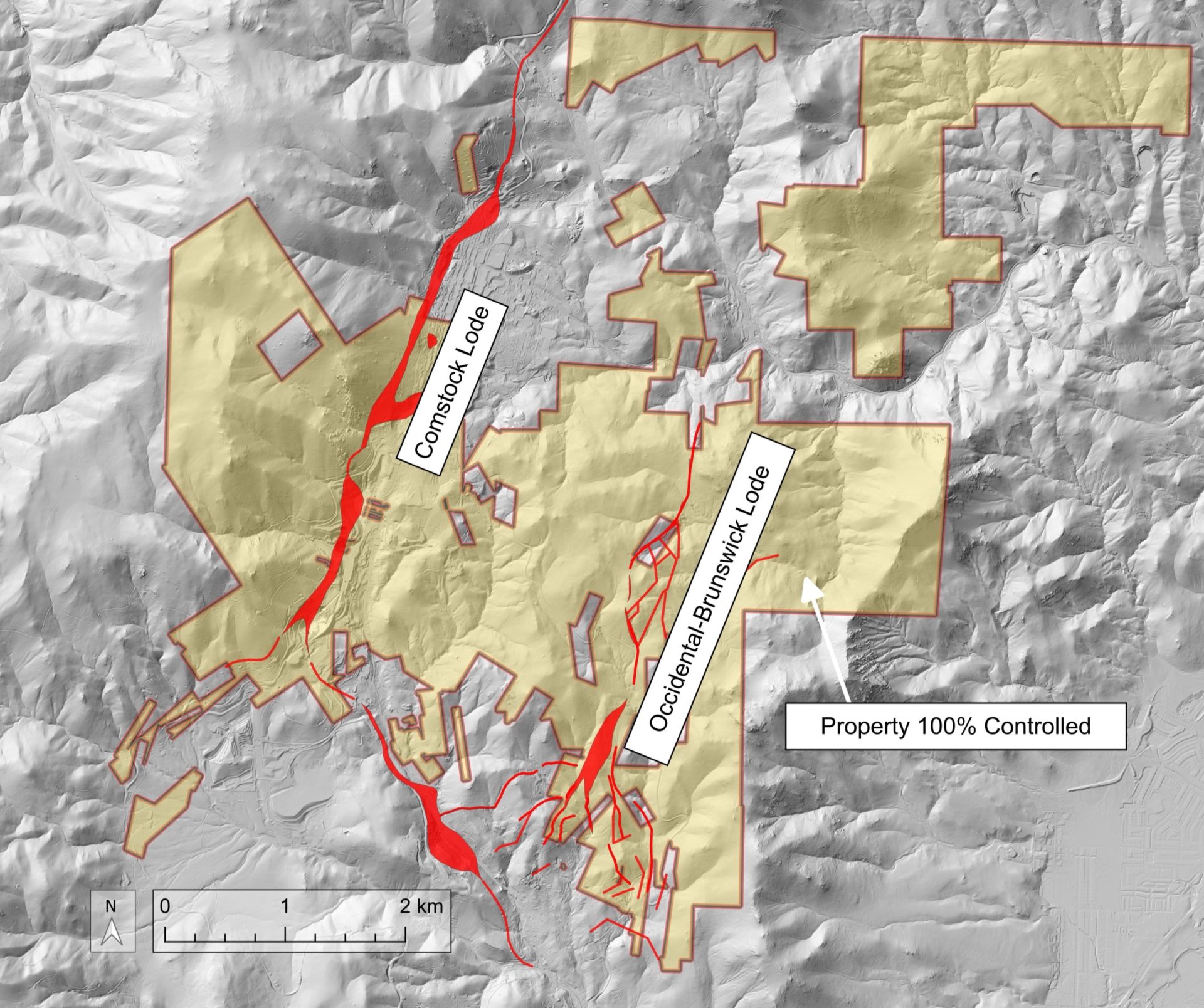
Geology
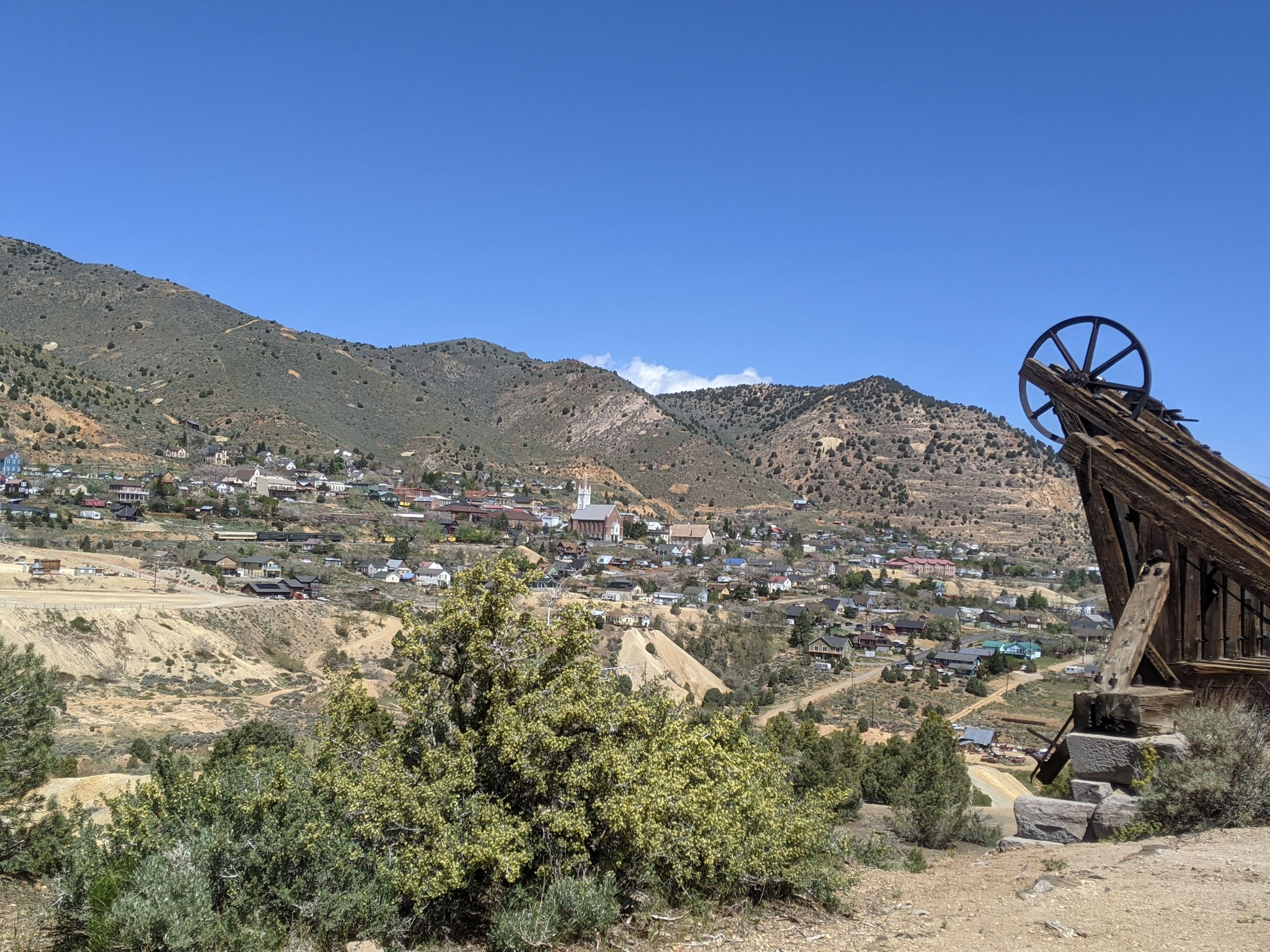
The Comstock District sits at the northern end of the highly productive Walker Lane gold belt. The Walker Lane is a 100-km wide by 500-km long, northwest-trending structural corridor extending from Reno towards Las Vegas along the Nevada-California border, renowned as a prolific, high-grade, epithermal, and intrusive-related mineral district. It has produced over 50 million ounces of gold and 700 million ounces of silver, with major deposits and mines that include Round Mountain, Silicon and the Comstock Lode.
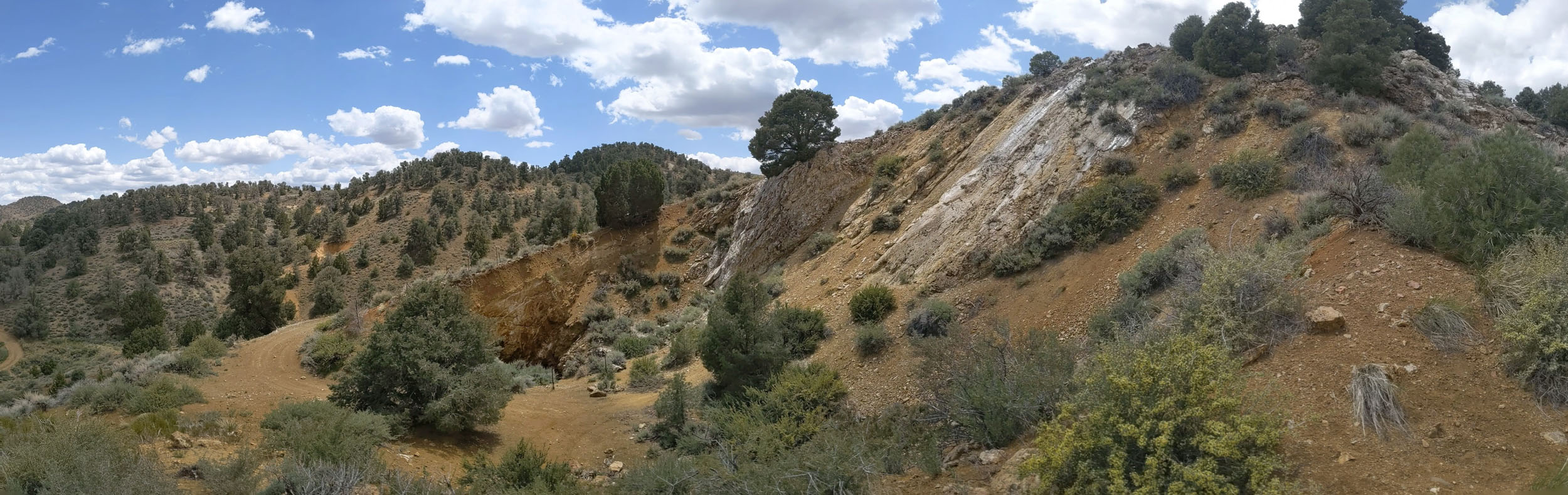
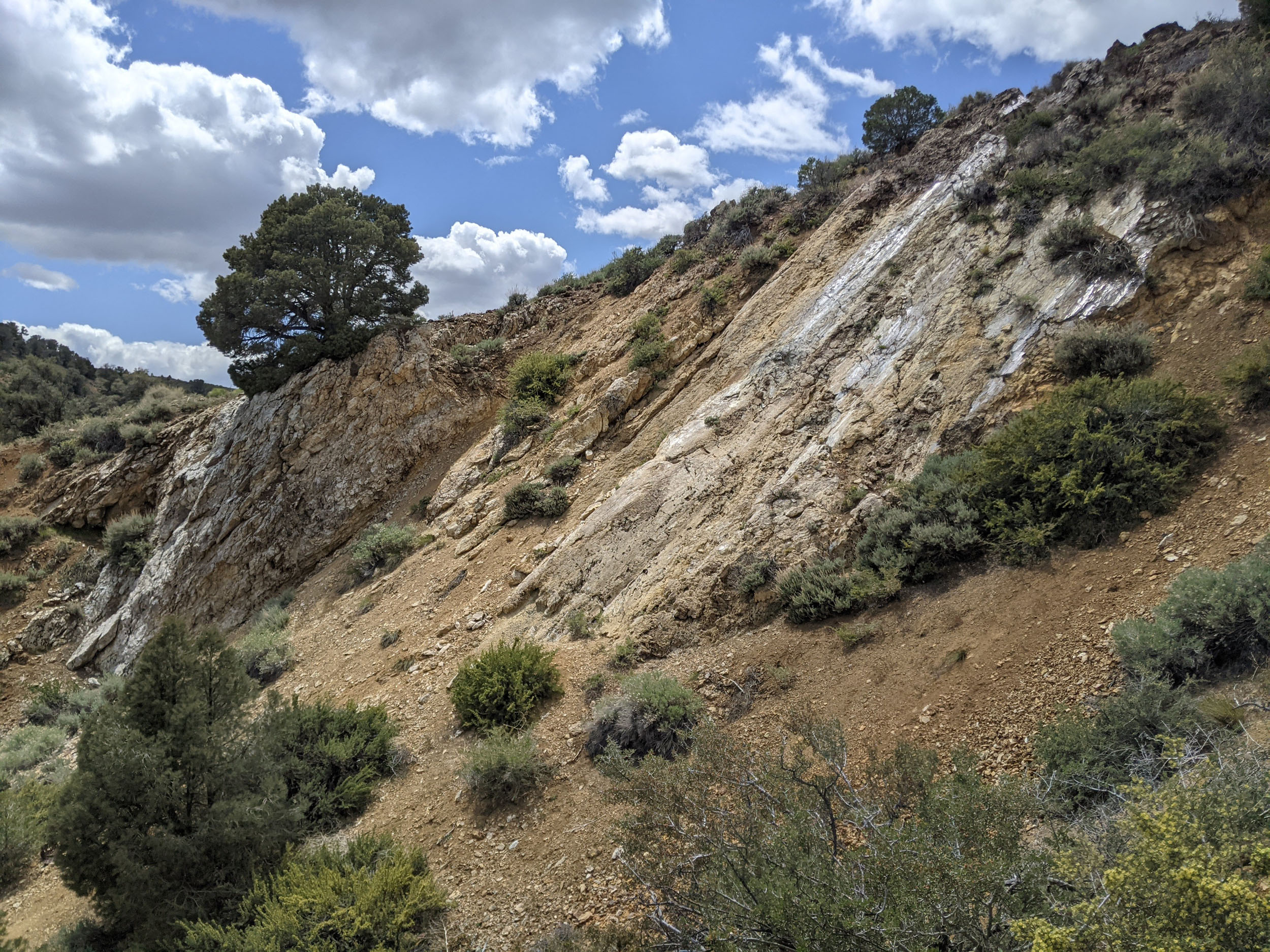
Geology of the Comstock District consists of Tertiary volcanic tuffs and flows of andesite and rhyolite composition that overlie an older sequence of Mesozoic metasedimentary rocks and granite. Extensional basin-and-range tectonism produced northwest-to-northeast-trending faults that became the sites of hydrothermal fluid flow and epithermal quartz-carbonate vein formation. These veins, rich in gold and silver, comprise the veins or lodes of the Comstock District.
The silver-gold deposits at Comstock are categorized as classic low-sulfidation epithermal style mineralization, the same style responsible for many of the world’s most profitable precious-metal camps. Mineralization occurs in networks of quartz-rich veins, stockworks, and breccias developed along major fault zones. Historically, extremely rich “bonanza” zones were found where veins intersected or flexed, producing some of the highest-grade gold and silver ever mined in the American West. The majority of the district has received limited modern exploration, and today, many areas, continue to offer strong potential for new discoveries, including the Occidental-Brunswick Lode that is the near-term focus of Mackay Gold & Silver’s exploration efforts.